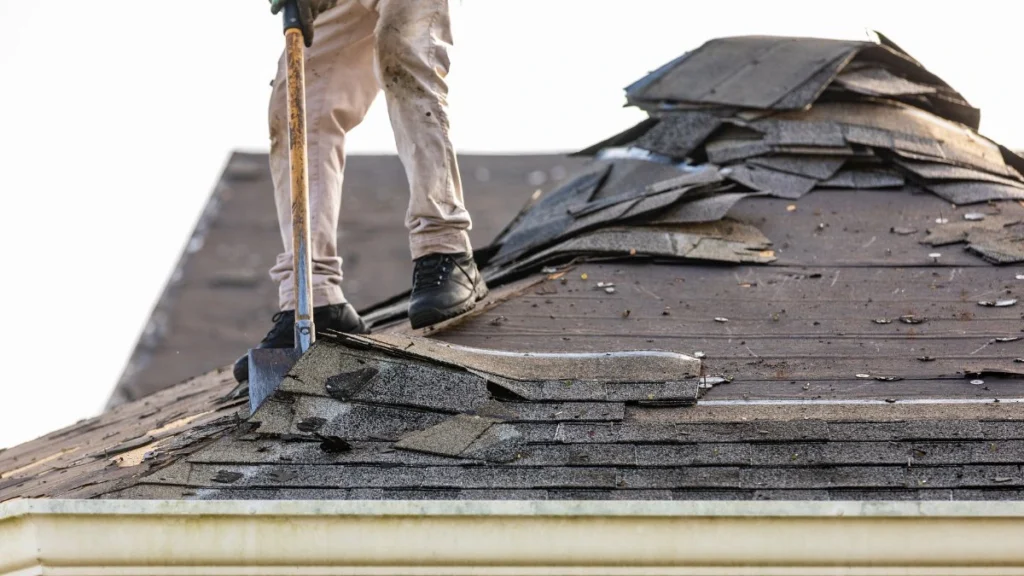
How often does a roof need to be replaced? It’s a question many homeowners think about only after noticing leaks, missing shingles, or water stains on the ceiling.
At that moment, the concern isn’t just the damage but the uncertainty about whether it is a minor repair or the roof is nearing the end of its lifespan.
The challenge is that roofs don’t come with a fixed replacement date. Their longevity depends on several factors, including the type of material used, the climate it’s exposed to, and how well it’s been maintained over the years. That’s why two homes built at the same time can have roofs in completely different conditions.
But don’t worry! In this blog, we will answer this question once and for all. We will break down how often a roof needs to be replaced, what influences that timeline, and how to recognize when your roof is approaching a critical decision point.
What Is The Average Life of A Roof?
There’s no single answer to how often a roof needs to be replaced.
Most residential roofs last anywhere from 10 to 80+ years, depending on the material, climate, and how well they’re maintained. That’s a huge gap, which is why many homeowners get confused.
A better way to think about it is this:
Your roof doesn’t have a fixed “expiry date.” It has a lifespan window, and once it enters the final stage of that window, replacement becomes more likely than roof repair.
For example, an asphalt roof in a mild climate with good maintenance might last 25+ years. The same roof in harsh sun, heavy rain, or poor ventilation conditions could fail much sooner.
So instead of asking “When will my roof definitely need replacement?” the real question is:
“What type of roof do I have, and what conditions is it exposed to?”
Average Roof Lifespan by Material (Quick Answer Section)
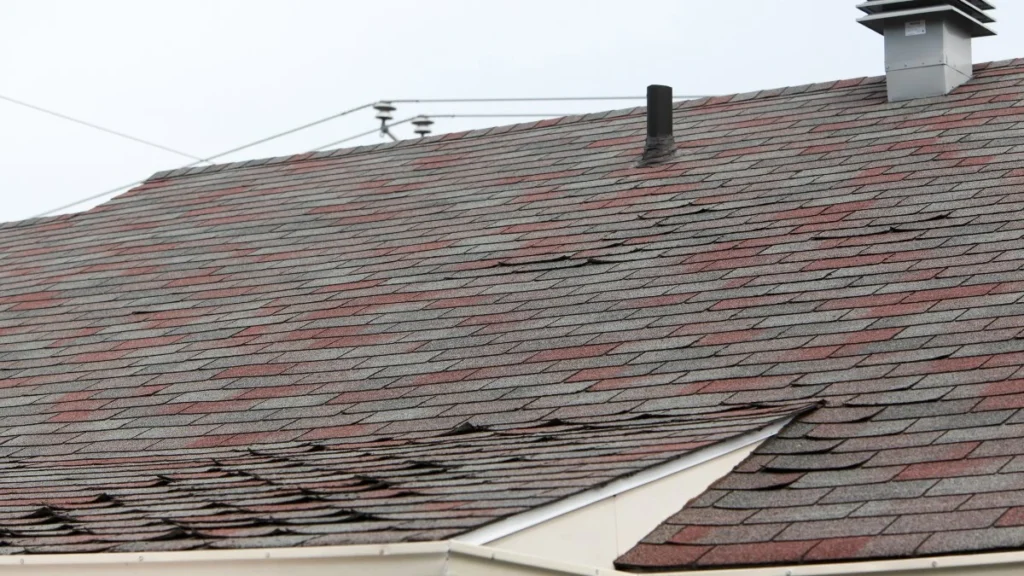
The material of your roof is the single biggest factor that determines how often it needs to be replaced. Different roofing systems age at very different speeds, and understanding these differences helps you set realistic expectations for repairs and long-term planning.
1. Asphalt Shingles (Most Common)
Asphalt shingles typically last around 20 to 30 years, making them the most widely used but also one of the shorter-lived roofing options.
They tend to wear out faster because they are constantly exposed to environmental stress. Over time, strong sunlight breaks down the protective layers of the shingles, while UV rays gradually weaken their structure.
In addition, weather changes, especially heat and cold cycles, cause the material to expand and contract repeatedly.
2. Metal Roofs
The average lifespan of metal roofs is between 40 and 70 years, making them one of the most durable residential roofing options available.
Their long lifespan comes from their ability to resist many of the common causes of roof failure. Unlike shingles, metal does not easily crack or absorb water, and it performs exceptionally well under harsh weather conditions such as heavy rain, wind, and snow.
However, this durability comes with a higher upfront installation cost, even though it often results in lower long-term replacement frequency.
3. Tile Roofs (Clay or Concrete)
Tile roofs have an impressive lifespan of around 50 to 100 years.
These roofs are known for their strength and resistance to fire, rot, and insect damage, which allows them to last significantly longer than many other materials. Their dense structure makes them highly durable in hot and dry climates.
However, they are also very heavy, requiring strong structural support, and can be expensive to install or repair.
4. Flat Roofs (EPDM, TPO, Bitumen)
Flat roofing systems typically last between 10 and 25 years, which makes them the shortest-lived option among common residential roofing materials.
Their main weakness is water drainage. Since flat roofs do not have a natural slope, water tends to collect and pool on the surface. Over time, this standing water can weaken membranes, cause leaks, and lead to material breakdown.
Although modern materials like EPDM and TPO have improved durability, flat roofs still require more frequent inspections and maintenance to prevent early failure.
Also Read: How Long Does A Roof Last?
What Factors “Really” Affect Your Roof Health
Several elements influence how long a roof stays in good condition. From environmental exposure to installation quality and maintenance habits, each factor directly impacts durability and replacement timing.
Factor #1: Climate and Weather Conditions
Roofs in harsh climates deteriorate faster due to constant exposure to heat, heavy rainfall, humidity, storms, and UV rays. Coastal areas often face faster wear than inland regions.
Factor #2: Installation Quality
If a roof is installed poorly, its lifespan drops significantly regardless of material quality. Proper underlayment and flashing are essential to prevent early leaks and structural weakness.
Factor #3: Maintenance and Repair History
Routine inspections help catch issues early and extend roof life. When small leaks or damage are ignored, they spread quickly and often lead to premature replacement.
Factor #4: Ventilation and Attic Conditions
Poor attic ventilation traps heat and moisture, gradually damaging roofing materials. This environment encourages mold growth and wood rot, both of which speed up roof failure.
5 Clear Signs Your Roof Needs Replacement (Not Just Repair)
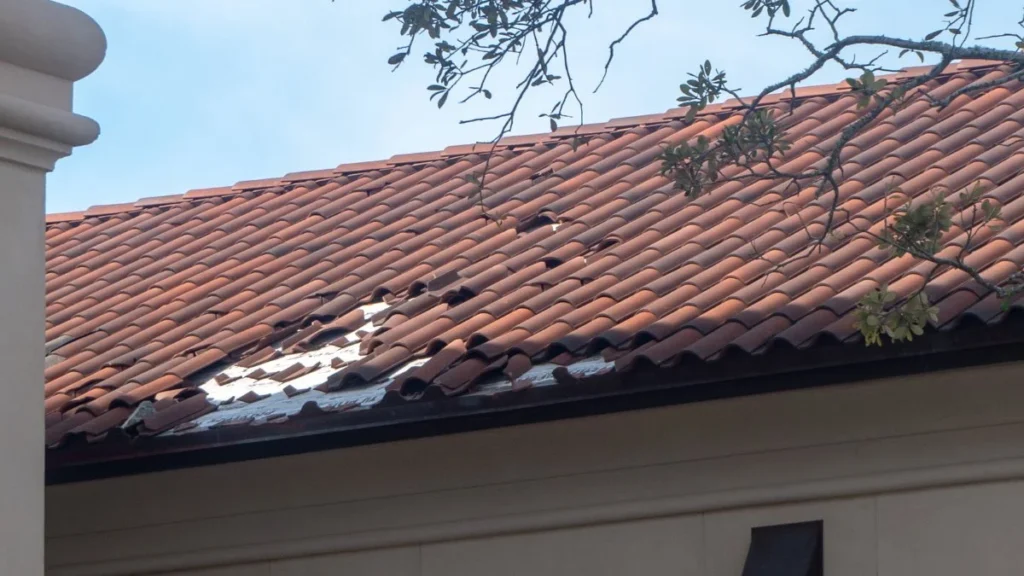
Knowing when a roof has moved beyond simple repairs can save you from repeated costs and hidden damage inside your home. These warning signs often indicate deeper structural issues that require full replacement.
1. Shingles curling, cracking, or missing
When shingles start curling at the edges, cracking across the surface, or falling off entirely, it usually means the protective layer has failed, and the roof is nearing the end of its life.
2. Frequent leaks or water stains on ceilings
Repeated leaks or visible stains inside the home suggest water is consistently penetrating the roofing system, often pointing to widespread deterioration rather than isolated damage.
3. Sagging roof structure
A sagging or uneven roofline is a serious structural warning sign. It often indicates trapped moisture, weakened decking, or long-term neglect that cannot be fixed with minor repairs.
4. Excessive granules in gutters
If gutters are filling with shingle granules, it means the protective surface layer is wearing away quickly. This exposes the roof to faster aging and reduced weather resistance.
5. Roof is past expected lifespan
When a roof exceeds its typical lifespan for its material, even if it looks fine on the surface, underlying components are often weakened enough that replacement becomes the safer choice.
How Often Should You Inspect Your Roof?
The best way to solve this issue is regular inspection of your roof. You should inspect your roof at least twice a year, ideally in the spring and fall, to catch early signs of wear before they turn into costly damage.
These seasonal checks help prepare your roof for extreme weather changes and extend its overall lifespan. It’s also important to inspect your roof after heavy storms, strong winds, or prolonged rainfall, as these events can cause hidden damage that isn’t immediately visible from the ground.
Our Roof Roof Renewal team offers free professional roof inspections in Florida, Bergen County, Passaic County, Rockland County, and Canada. Just contact us today to schedule your free inspection and get clear, honest guidance on your roof’s condition.
So, How Often Does A Roof Need To Be Replaced?
There’s no fixed timeline, but most roofs last anywhere from 10 to 80+ years, depending on the material, climate, and maintenance. Instead of relying only on age, it’s smarter to watch for warning signs and schedule regular inspections to avoid unexpected damage.
If your roof is showing signs of aging or you’re unsure about its condition, getting a professional opinion can save you from costly repairs later.
For expert help and reliable roofing solutions, Roof Roof Renewal is here to inspect, guide, and replace your roof with long-lasting protection for your home.