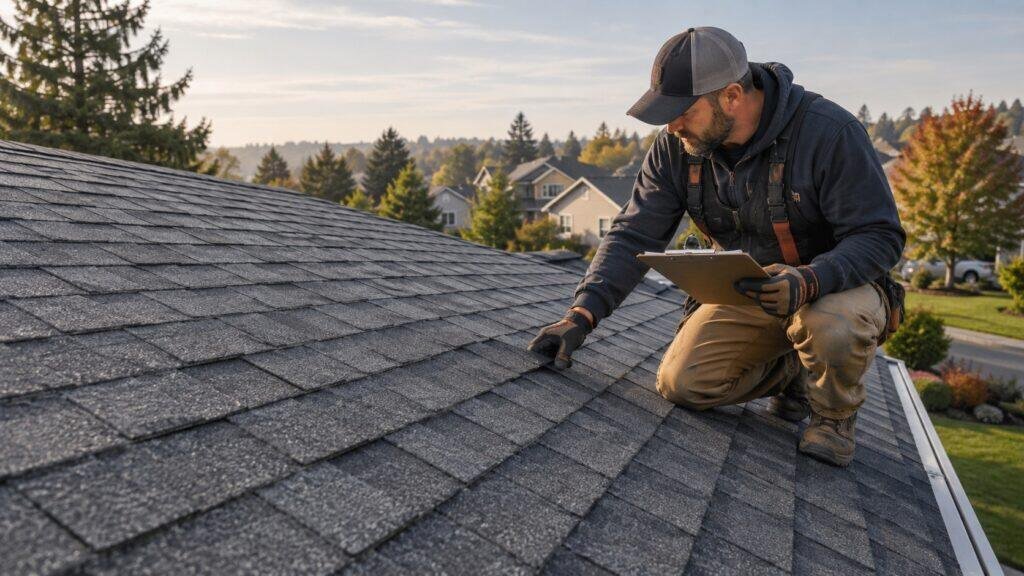
A roof rejuvenation treatment is intended to buy time for an asphalt shingle roof that is aging but still structurally serviceable. The useful life of one treatment depends on the roof’s condition, the product and application, local weather, and whether vulnerable details are repaired before treatment. A professional inspection matters more than the roof’s age alone.
Quick answer
Many professionally applied rejuvenation systems are marketed around a multi-year treatment cycle. The exact coverage period must come from the written warranty and proposal for your roof. Reapplication may be possible only while the shingles, decking, flashing, and ventilation remain in acceptable condition. Rejuvenation cannot make a failing roof permanent or replace missing shingles, rotten decking, or failed flashing.
What “lasting” means for roof rejuvenation
Homeowners often ask how long roof rejuvenation lasts as if there were one expiration date. In practice, there are three different timelines to understand:
- The treatment period: the period stated by the installer or product warranty.
- The roof’s remaining service life: how long the complete roof system can continue protecting the home.
- The inspection interval: how often the roof should be reviewed for damage, wear, drainage problems, or failed accessories.
These timelines are related, but they are not interchangeable. A treatment may continue affecting the shingle material while a separate flashing or pipe boot develops a leak. Likewise, an older roof may remain serviceable after the stated treatment period, but only an inspection can determine whether it still qualifies for another application.
Why roof condition matters more than roof age
Two roofs installed in the same year can age very differently. Sun exposure, attic ventilation, storm history, roof slope, tree cover, drainage, workmanship, and maintenance all affect the result. A south-facing roof plane may dry faster than a shaded plane. A roof with good shingles can still develop problems around penetrations. A roof that looks faded may be sound, while a newer-looking roof can hide soft decking or chronic moisture.
A proper evaluation should consider:
- Whether shingles remain attached, intact, and flexible enough to treat
- The extent and pattern of shingle granule loss
- Missing, cracked, curled, blistered, or badly lifted shingles
- Active leaks, ceiling stains, and evidence of wet or deteriorated decking
- Flashing, valleys, pipe boots, vents, skylights, and chimney transitions
- Attic ventilation and signs of trapped heat or moisture
- Moss, algae, debris, and drainage conditions
A practical roof rejuvenation timeline
Before treatment: qualification and repairs
The inspection is the most important part of the process. The installer should determine whether the roof is a candidate and identify repairs that must be completed first. Loose shingles, exposed fasteners, damaged flashing, or failed sealant should not be hidden under a maintenance treatment. If the roof has widespread failure, replacement may be the responsible recommendation.
Ask for the findings in writing. Photographs, roof-plane notes, repair items, and exclusions make it easier to compare proposals and understand what the treatment does not cover.
Application day: coverage and site protection
Application time varies by roof size, pitch, access, preparation, and weather. A professional crew should protect siding, windows, hardscape, gutters, and landscaping as required by the chosen product and application method. The roof should not be treated in conditions that conflict with product instructions.
The first year: establish a baseline
Keep the agreement, warranty, inspection photos, and paid invoice together. Record the treatment date and any repairs. After severe wind, hail, or falling debris, arrange an inspection if damage is visible or water enters the home. A rejuvenation treatment does not prevent storm damage.
Middle years: monitor the whole roof system
Check the roof from the ground and inspect the attic where safe. Watch for displaced shingles, new staining, damaged flashing, overflowing gutters, or unexplained moisture. Keep gutters and roof drainage paths clear. If the roof develops black streaks or biological growth, use a roof-safe cleaning approach rather than pressure washing.
Near the stated treatment interval: reassess, do not assume
Do not schedule reapplication by calendar alone. The roof should be inspected again. Some roofs may still qualify; others may need repairs or replacement. Reapplication should follow the product’s written instructions, the installer’s warranty requirements, and the actual roof condition.
Six factors that influence how long the result lasts
1. Starting condition
A serviceable roof with uniform aging is a stronger candidate than one with bald areas, widespread curling, active leaks, or deteriorated decking. Rejuvenation is preventive maintenance, not structural reconstruction.
2. Climate and exposure
Ultraviolet exposure, heat cycling, freeze-thaw conditions, high humidity, wind, and salt air create different stresses. Florida roofs may experience intense sun and moisture. New York and New Jersey roofs face winter temperature changes, ice, and storm exposure. Local conditions should shape inspection frequency and maintenance advice.
3. Roof design
Complex roofs have more valleys, walls, dormers, penetrations, and transitions where water can enter. Low-slope sections may drain differently from steeper shingle areas. These details can control the roof’s service life even when the shingle field remains usable.
4. Installation quality
Correct preparation and even application matter. The crew should follow the product’s coverage rate, temperature range, weather restrictions, and safety instructions. More product is not automatically better, and an unqualified roof should not be treated simply because the material can be sprayed.
5. Repairs and maintenance
Flashing repairs, pipe-boot replacement, nail corrections, gutter maintenance, and safe cleaning protect the system around the shingles. Our guide to flashing and vent sealing explains why these small details can prevent larger water problems.
6. Storm events
Hail, high winds, branches, and wind-driven rain can create sudden damage unrelated to normal aging. Inspect after major weather events and contact the appropriate professional or insurer when storm damage is suspected.
Can roof rejuvenation be repeated?
Some systems permit repeat applications at defined intervals, but eligibility must be confirmed each time. The roof must still meet the product and installer’s criteria. A repeat treatment is not appropriate when deterioration has advanced beyond the point where maintenance can reasonably extend service.
Ask these questions before agreeing to reapplication:
- What changed since the prior inspection?
- Are any roof planes or details excluded?
- Which repairs are required first?
- What does the new written warranty cover?
- What conditions would make replacement the better option?
Warning signs that the roof may no longer qualify
Rejuvenation should not be presented as a cure-all. Replacement or substantial repair may be more appropriate when an inspection finds:
- Soft, sagging, or deteriorated roof decking
- Recurring or widespread leaks
- Large areas of missing, broken, or severely curled shingles
- Extensive exposed asphalt or bald shingle surfaces
- Major storm damage or widespread uplift
- Persistent moisture caused by ventilation or condensation problems
- A roof assembly that is incompatible with the treatment
For a broader decision framework, compare roof rejuvenation versus replacement.
What to ask about the warranty
The written warranty is more useful than a verbal lifespan claim. Confirm the term, what performance is covered, whether labor is included, transfer rules, maintenance requirements, exclusions, claim procedure, and whether repairs are covered separately. Ask who is responsible if the local installer changes ownership or leaves the market.
Industry guidance also matters. The Asphalt Roofing Manufacturers Association advises homeowners to consult the shingle manufacturer before applying after-market coatings, rejuvenators, or cleaning materials because compatibility and warranty consequences can vary. Keep manufacturer documentation with your roof records.
How to make a better decision
- Request a roof and attic inspection, not just a price.
- Ask for photographs and a written condition summary.
- Separate repair costs from treatment costs.
- Compare the written treatment warranty with the expected timing and cost of replacement.
- Review manufacturer guidance for the installed shingles when available.
- Choose the option that addresses the roof’s real condition, not the option with the strongest sales claim.
You can also review our guides to roof rejuvenation cost and whether roof rejuvenation is worth it.
Frequently asked questions
Does roof rejuvenation reset the age of the roof?
No. The roof keeps its original installation date and history. Treatment is a maintenance measure for qualifying asphalt shingles, not a new roof.
Can weather shorten the treatment interval?
Weather and exposure affect the entire roof system. Severe storms can cause damage at any time, while sun, moisture, and temperature cycling influence normal aging. Follow the written product terms and inspect after significant events.
Should I wait until shingles are brittle?
Waiting too long can reduce the chance that the roof qualifies. An inspection during mid-life aging provides more options than waiting for leaks or widespread failure.
Will treatment stop every future leak?
No. Leaks commonly originate at flashing, penetrations, damaged shingles, valleys, or decking. These defects require diagnosis and appropriate repair.
Get a condition-based roof evaluation
The best answer is specific to your roof. Roof Roof Renewal can inspect the shingles and surrounding roof details, explain whether rejuvenation is appropriate, identify repairs, and provide a written estimate. Request a roof inspection before damage limits your options.
Technical reference: Asphalt Roofing Manufacturers Association, Asphalt Shingle Roofs Are Repairable. Product-specific terms and warranties vary. Always review the documents supplied for your roof.