
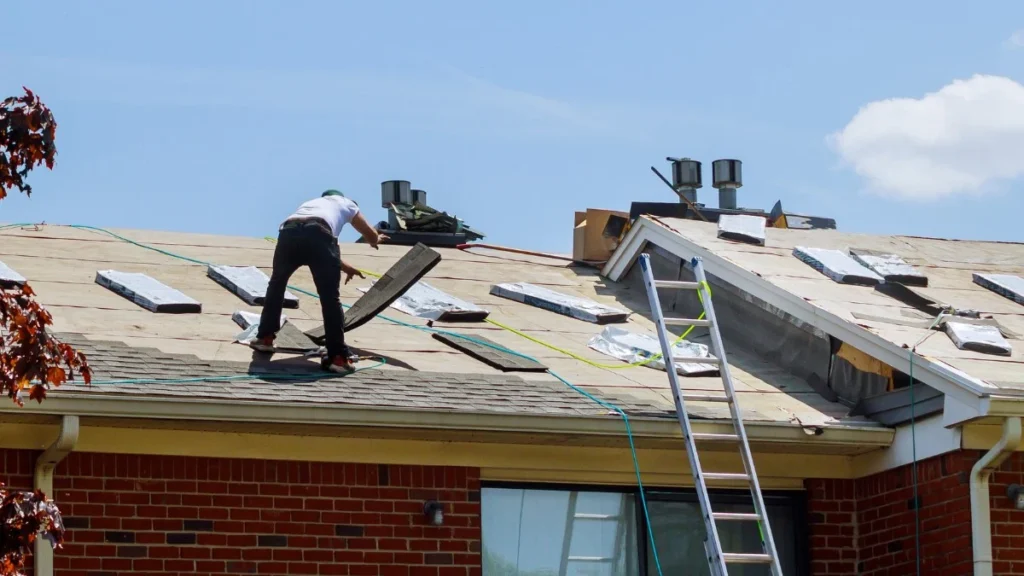
We’ve worked in the roofing industry for years, and the most common question we hear is simple: “How much does a new roof cost?”
Online price ranges can be misleading, and contractor quotes often feel confusing. That’s because roofing costs are driven by real, measurable factors, material choice, labor rates, roof design, location, and local building codes.
A homeowner in Florida, for example, may receive a very different quote than someone in New York.
But don’t worry!
In this guide, I’ll break down exactly what drives costs, step by step, to help you plan your budget and understand what you’re paying for while avoiding expensive surprises.
Key Takeaways: New Roof Cost At A Glance
| The cost of a new roof typically falls between $6,000 and $16,000, with most homeowners spending $9,000–$12,000, driven by material choice, roof size, complexity, labor rates, and location. To avoid unexpected expenses from tear-off, repairs, or structural issues, it’s crucial to plan ahead. You should choose durable materials and evaluate 2–3 detailed quotes to ensure your roofing investment and warranty are fully protected. |
How Much Does A New Roof Cost On Average?
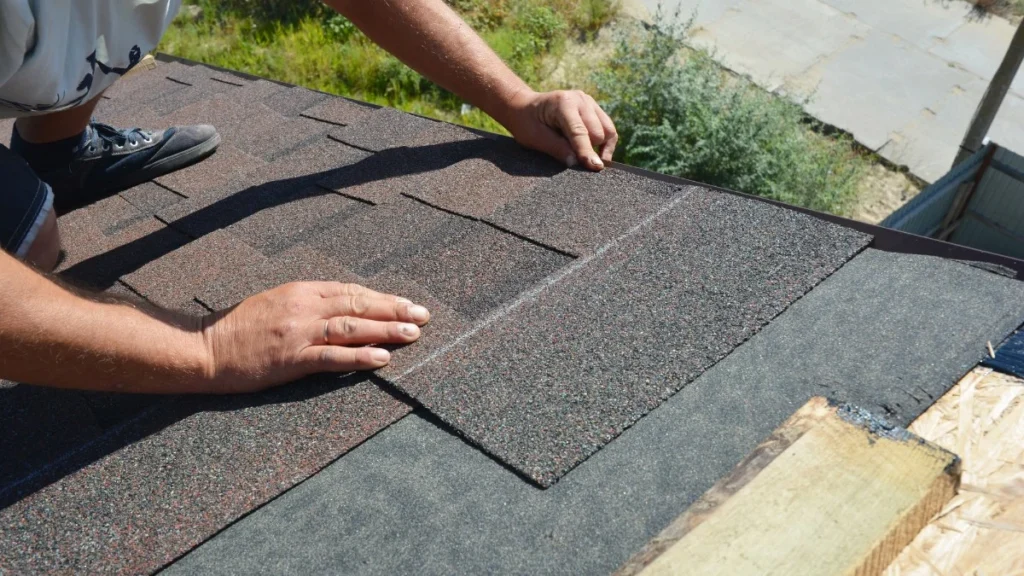
For a standard-sized home (around 1,700–2,000 sq. ft.), a new roof typically costs between $6,000 and $16,000. Most homeowners spend roughly $9,000–$12,000.
These figures vary based on several key factors. Material choice is the biggest cost driver. Asphalt shingles are the most affordable option, while tile and slate sit at the higher end. Roof complexity also plays a major role. Steep slopes, multiple valleys, and dormers increase both labor time and material requirements.
Labor rates differ by region, and local building codes or permit fees can add to the total cost. Weather and seasonal demand matter as well. Roofing during peak seasons often comes at a premium due to high contractor demand.
If you’re replacing an existing roof, expect $1,000–$3,000 in additional costs for tear-off and disposal. Homes with multiple roofing layers take longer to strip, which raises labor and disposal fees. In some cases, hidden deck damage or structural issues discovered during removal can further increase the final price.
New Roof Cost By Roofing Material (Biggest Price Factor)
As we mentioned earlier, material choice drives the largest portion of your roof’s total cost. Different materials vary widely in price, durability, and installation complexity.
Here’s a breakdown per roofing square (100 sq. ft.) along with typical lifespan:
| Material | Cost per Square | Typical Lifespan |
| Asphalt Shingles (3-Tab) | $400 – $600 | 15–20 years |
| Architectural Shingles | $450 – $850 | 20–30 years |
| Metal Roofing (Steel/Aluminum) | $800 – $1,600 | 40–70 years |
| Tile (Concrete/Clay) | $1,000 – $2,200 | 50–75 years |
| Natural Slate | $2,000 – $3,500+ | 75–100+ years |
| Wood Shakes/Shingles | $600 – $1,600 | 25–40 years |
Here is our detailed guide on how long does a roof last, read it now.
How Roof Size and Design Affect The Total Cost
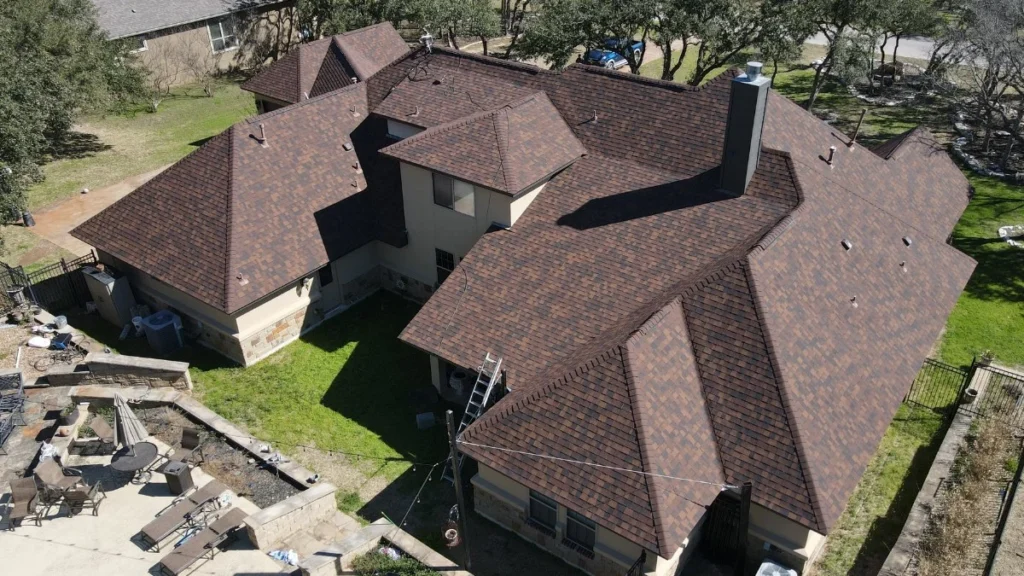
The total cost of a roof isn’t just about your home’s footprint. Roofers calculate pricing based on the actual roof area, which is often larger due to slopes, hips, and valleys.
As roof design becomes more complex, both material and labor costs rise. Steep slopes require more time and safety precautions, while multiple dormers, valleys, and angles mean extra flashing, underlayment, and precise cutting. Each feature adds both cost and installation difficulty.
Roof shape also affects material waste. Contractors typically order 10–15% extra materials to account for cuts and complex angles. Skipping this buffer often leads to shortages or compromised installation quality.
Safety requirements further impact pricing. Complex roofs may require scaffolding, harnesses, or specialized equipment, increasing labor costs. In short, the larger, steeper, or more intricate the roof design, the higher the total price, even when two homes share the same footprint.
Labor Costs: What You’re Really Paying For
From our years on the roof, we can tell you that labor often makes up 40–60% of your total cost. Installing shingles or tiles is just the start; labor also covers underlayment, flashing, vents, and cleanup. Skilled installation is what prevents leaks, extends your roof’s life, and keeps everything up to code.
I’ve seen homeowners get shocked when they focus only on material costs and ignore labor. Urban areas usually charge more than rural locations because of higher living costs and contractor demand.
Local building codes, permits, and seasonal weather patterns also influence what you’ll pay. For instance, I’ve worked on winter projects where prices were higher due to rushed schedules and challenging conditions.
Labor Costs in Top U.S. States (Approximate)
Here’s a rough guide to labor costs in some top U.S. states:
- California: $4.50–$6.50 per sq. ft. – high labor demand, strict codes
- Texas: $3.50–$5.50 per sq. ft. – moderate demand, urban-rural differences
- Florida: $4.00–$6.00 per sq. ft. – hurricane-prone areas increase labor needs
- New York: $5.00–$7.00 per sq. ft. – high urban labor costs, permit fees
- Illinois: $3.75–$5.75 per sq. ft. – mid-range labor, code variations
Hidden and Additional Costs Most Homeowners Miss
One of the biggest mistakes we see homeowners make is not asking about hidden or additional costs upfront. Most focus on materials and labor, but the extras can add up fast. Ignoring them can turn a budget-friendly roof into a costly surprise.
1. Old Roof Tear-Off and Disposal Fees
Removing existing shingles costs $100–$150 per square, per layer. Homes with multiple layers increase labor and disposal fees. Disposal alone can add hundreds or even over a thousand dollars.
2. Roof Deck Repairs and Structural Issues
During tear-off, we often find damaged decking, rot, or other structural problems. Replacing or reinforcing the deck can cost $500–$2,000 or more, depending on the severity.
3. Permits, Inspections, and Code Upgrades
Most cities require permits for roof replacements, typically $100–$500. Code upgrades, like ice & water shields, improved ventilation, or hurricane straps, are sometimes mandatory.
From our experience, factoring in these hidden costs before the project starts is critical. It ensures your budget is realistic and prevents mid-project shocks.
New Roof Cost By Home Type
Your home type plays a major role in determining roofing costs. Factors like roof size, design complexity, and shared structures affect material selection, labor requirements, timelines, and even your roofing warranty options.
1. Single-Family Homes
Most roof replacements fall into this category. Costs typically range from $8,000 to $16,000 for a standard-sized home. Asphalt shingles remain the most common choice, while metal and tile are gaining popularity for homeowners planning to stay long term.
Single-family homes offer the most flexibility in material selection, scheduling, and roofing warranty coverage.
2. Townhouses and Duplexes
Shared roofing systems add coordination challenges. Projects often require approval from neighbors or homeowners’ associations (HOAs), which can affect timelines and material options.
HOA restrictions can also limit material choices and roofing warranty terms. Always confirm responsibility and warranty coverage before moving forward.
3. Mobile Homes and Flat Roofs
Mobile homes and flat roofs use specialized materials such as TPO, EPDM, or modified bitumen. These roofs usually cost less per square foot but may require more frequent maintenance.
Proper drainage and professional installation are critical, as flat roofs rely heavily on workmanship to maintain waterproofing and protect the roofing warranty.
How To Save Money On A New Roof (Without Cutting Corners)
Replacing a roof is expensive, but smart planning can save you thousands. Focus on strategy, timing, and informed choices rather than cheap shortcuts.
Here are the recommendations our Roof Roof Renewal team consistently shares with clients to help them save money while protecting long-term value.
1. Choosing The Right Material For Your Budget
Your roofing materialshould match how long you plan to stay in the home. If you expect to move within 10–15 years, asphalt shingles often make financial sense.
If this is your long-term home, metal or tile can deliver better lifetime value despite higher upfront costs. Aligning material lifespan with your plans prevents paying for durability you won’t fully use.
2. Timing Your Roof Replacement
When you replace your roof matters almost as much as how you replace it. Off-season projects (typically winter or early spring) often come with lower labor rates due to reduced demand.
Emergency replacements usually cost more because of rushed scheduling and limited material options. Planning ahead gives you flexibility and stronger negotiating power.
3. Getting and Comparing Quotes Correctly
Getting multiple quotes protects you from hidden costs and inflated pricing. Always request 2–3 professional estimates, and make sure each includes:
- Material type and quantity
- Labor cost breakdown
- Tear-off and disposal fees
- Permits and inspections
- Expected project timeline
Be cautious of vague pricing, unusually low bids, or contractors unwilling to provide written estimates. Clear, detailed quotes help you control your budget and avoid costly surprises later.
What You Should Budget For A New Roof (WITH BONUS TIP)
Most homeowners should plan to spend between $9,000 and $12,000 for a standard roof renewal, depending on size, material, and complexity. Costs increase with premium materials, steep slopes, or multiple roofing layers, so understanding these factors upfront is important.
The biggest cost-saving move is timing. Replacing your roof before leaks or structural damage appear reduces both repair expenses and stress. Emergency replacements almost always cost more due to rushed labor and limited options.
Your next step is simple but critical: request 2–3 detailed estimates from reputable roofing contractors. Compare materials, labor, and potential hidden costs carefully. A clear, itemized quote ensures you pay a fair price and avoids expensive surprises later.
Frequently Asked Questions (FAQs)
Most homeowners in Florida spend between $13,000 and $21,000 for a typical 2,000-square-foot roof. Costs vary based on materials, roof complexity, and labor rates in different regions.
In Texas, a new roof generally ranges from $6,000 to $20,000, with a statewide average around $9,700 to $12,000 for a standard 2,000-square-foot home, depending on materials and design.
California roof replacements usually cost between $9,000 and $30,000+, with most homeowners paying $12,000–$25,000 for a 1,500–2,000-square-foot roof. Higher costs reflect stricter building codes, labor rates, and material choices.
Roof installation typically costs $4–$16 per square foot, with an average of $7–$11. For a standard 2,000-square-foot roof, total costs can range from $7,000 to over $30,000, depending on material type, roof complexity, and labor.