Ever wonder how long your roof will actually protect your home? Most homeowners only start asking this after leaks, stains, or sudden repairs appear, and by then, the damage is often well underway.
If you’re searching for how long does a roof last, you’re likely trying to plan ahead, not scramble when problems hit. Maybe you’re reviewing an inspection report, budgeting for replacement, or comparing roofing materials for a long-term investment. We see this question all the time when inspecting homes.
In this guide, we’ll show you the real numbers behind roof lifespan, based on material, climate, and installation quality. You’ll learn when a roof truly reaches the end of its life and what factors speed up (or slow down) its deterioration.
Key Takeaways: How Long Does A Roof Last?
In most residential settings, a roof lasts between 20 and 50 years, depending on the material, climate exposure, and roof maintenance quality. Asphalt shingle roofs typically last 20–30 years, while metal roofs often reach 40–70 years. Tile roofs last the longest, commonly exceeding 50 years when properly installed and maintained.
How Long Does A Roof Typically Last?
The practical range for most residential roofs is 20 to 50 years. Asphalt shingles usually perform for 20–30 years, metal roofing systems often last 40 years or more, and tile roofs can exceed 50 years under stable conditions.
These estimates assume average weather exposure and basic maintenance. Heat buildup, moisture retention, and delayed repairs can quickly shorten the roof’s life, even when high-quality roofing materials are used. Climate stress plays a major role in how fast roofing components break down.
Installation quality also directly affects lifespan. Poor nailing, weak flashing, or inadequate underlayment can reduce a roof’s service life by many years. Even premium materials fail early when installation standards are compromised.
How Long Does A Roof Last On A House – By Roofing Material
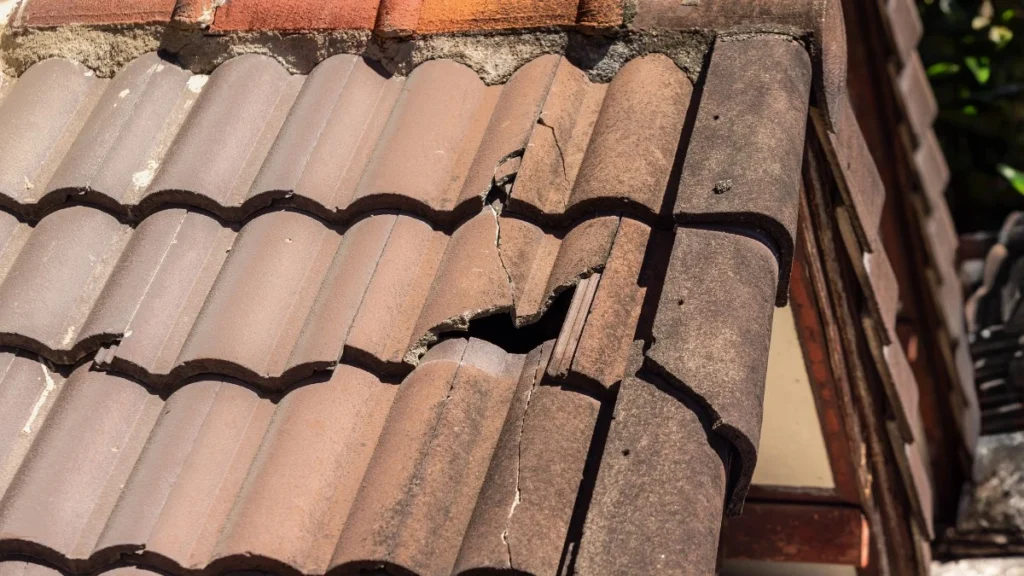
The biggest factor in a roof’s lifespan is the material you choose. Asphalt, metal, and tile all handle heat, moisture, and storms differently, which directly affects how long they last.
Understanding how each material ages helps you set realistic expectations, plan roof maintenance, and avoid costly, premature replacements.
1. Asphalt Shingle Roofs
In most residential settings, asphalt shingles last between 20 and 30 years. This range assumes proper installation, balanced attic ventilation, and moderate weather exposure throughout the roof’s life.
Ventilation plays a critical role in shingle longevity. Poor airflow traps heat beneath the roof deck, accelerating shingle aging from the underside. Granule loss is another key factor. Once granules wear off, UV exposure breaks down the asphalt layer quickly, shortening usable life.
2. Shingle Roofs (General)
Shingle roofs offer a moderate lifespan at a lower upfront cost, but they do not match the durability of metal or tile systems. Their performance depends heavily on shingle type and climate conditions.
Three-tab shingles roofs are thinner and typically last 15–20 years. Architectural shingles are thicker, more durable, and often last closer to 25–30 years. The added weight and layered design improve resistance to wind and temperature fluctuations.
3. Metal and Steel Roofs
A common question during upgrades is how long does a steel roof last on a residential home. Steel roofing systems often last between 40 and 70 years when properly installed. Their durability comes from resistance to cracking, warping, and UV degradation.
Protective coatings play a major role in lifespan. Galvanized or painted finishes prevent corrosion and slow surface wear. Unlike shingles, metal sheds water efficiently and resists wind uplift, which explains why metal systems consistently outlast most shingle roofs.
4. Tile Roofs
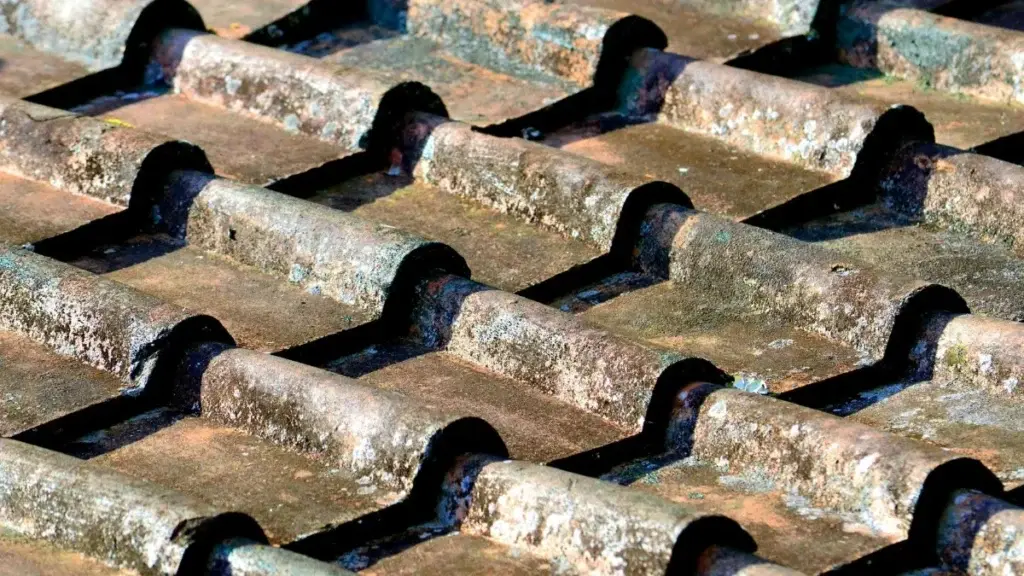
Tile roofs are known for exceptional longevity, but performance varies by material. Clay tiles often outlast concrete tiles, sometimes exceeding 75 years under ideal conditions. Concrete tiles typically last 40–60 years, depending on climate stress and maintenance.
Structural support is critical for tile roofs. These systems are heavy and require reinforced framing. When structural requirements are met and tiles remain intact, tile roofing systems provide the longest service life among residential options.
If you want to replace your roof, read our detailed guide on how much does a new roof cost.
How Climate Impacts Roof Lifespan
After years in the roofing business, the Roof Roof Renewal team has learned one key truth: your roof’s lifespan isn’t determined by material alone. Climate plays a huge role. Heat, humidity, storms, and constant UV exposure all accelerate wear and can shorten the life of roofs.
To give you a clearer picture, we’ll break down how roofs perform in two very different climates, Florida and Texas. By understanding these regional differences, you can better plan roof inspections, maintenance, and replacement, ensuring your roof lasts as long as possible.
1. Roof Lifespan in Florida
Florida’s hot, humid climate and frequent storms significantly affect roof durability. Asphalt shingles typically last 15–25 years in Florida, compared to 20–30 years elsewhere, due to intense sun and hurricane exposure.
Tile roofs perform much better in this environment. With proper installation and maintenance, clay or concrete tiles can exceed 50 years. It’s because tiles resist UV damage and high winds better than shingles, which makes them ideal for the region’s extreme conditions.
2. Roof Lifespan in Texas
Texas roofs face extreme heat, hail, and strong UV radiation, all of which reduce material longevity. Asphalt shingles may see their lifespan drop to 15–25 years, while metal and tile roofs remain more resilient.
Regional weather patterns such as hailstorms, high winds, and intense summer heat can accelerate wear on weaker roofing systems. Proper ventilation, regular roof inspections, and storm-resistant materials help extend roof life despite these environmental challenges.
4 Factors That Shorten Or Extend Roof Life
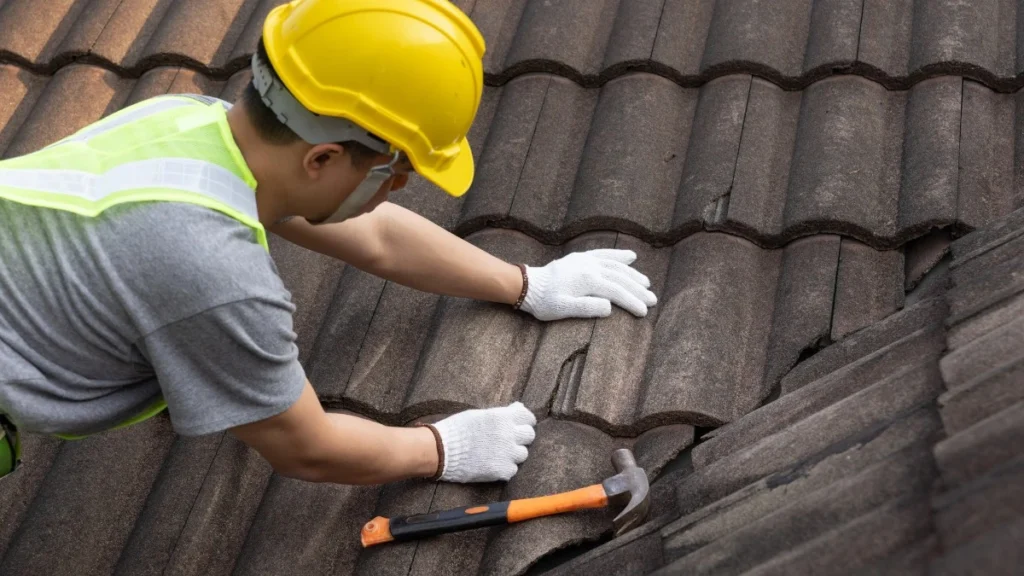
A roof’s lifespan isn’t determined by materials alone; how it’s installed, maintained, and exposed to environmental stress plays an equally important role. Heat, moisture, poor ventilation, and debris can all accelerate wear if not addressed. Let’s have a look at these factors in detail:
1. Installation and Underlayment
A well-installed roof lasts longer than one done with shortcuts. Poor nailing, incorrect flashing, or low-quality underlayment can reduce lifespan by 10 years or more. Since underlayment acts as a secondary moisture barrier, choosing the right type and installing it properly is critical.
2. Ventilation and Moisture
Proper attic ventilation and insulation prevent heat buildup and trapped moisture. Excess heat speeds shingle aging, while moisture causes mold, rot, and decking deterioration. Homes with poor airflow or leaks often see roofs fail before their expected lifespan.
3. Routine Roof Inspections and Repairs
Regular inspections help catch small problems before they turn into major headaches. Missing shingles, loose flashing, or minor leaks are inexpensive to repair early, but ignoring them allows damage to the compound. Proactive maintenance not only prevents emergencies but also extends the life of your roof by several years.
4. Trees, Debris, and Drainage
The environment around your roof matters just as much as the roof itself. Overhanging branches, clogged gutters, and poor drainage can accelerate material decay, while falling limbs can physically damage shingles. Keeping debris cleared and ensuring proper drainage protects both the roof and the structure underneath.
4 Signs Your Roof Is Near The End of Its Lifespan
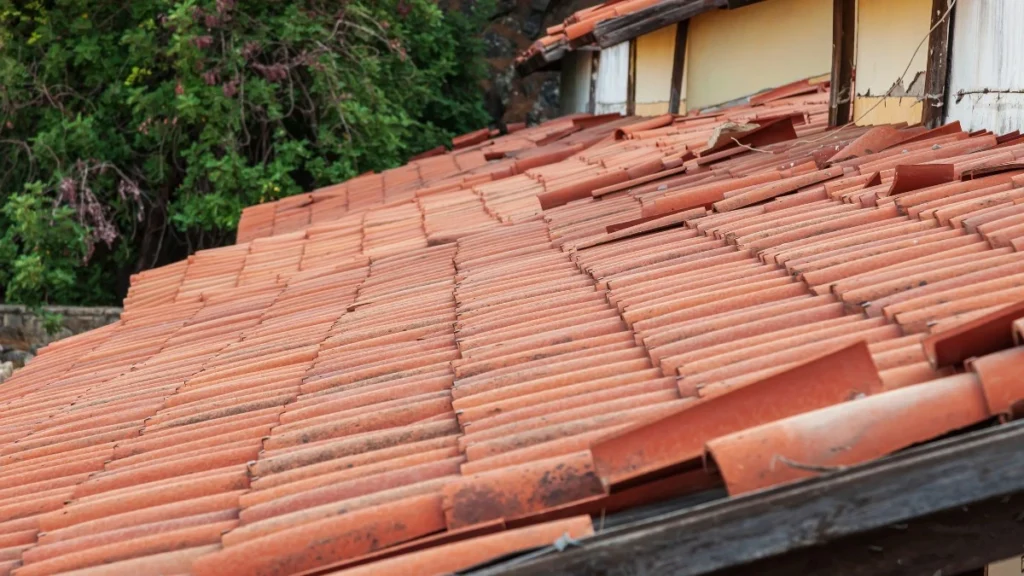
Recognizing when a roof is approaching the end of its service life can save homeowners from costly repairs or sudden replacement. Early detection of warning signs helps you plan effectively.
1. Shingle Damage
Curling, cracking, or missing shingles are clear indicators of aging or weather damage. These issues reduce the roof’s ability to shed water and protect the structure beneath. Shingles showing significant wear often mean the roof is near the end of its useful life.
2. Granule Buildup
Granule accumulation in gutters signals asphalt shingle deterioration. As granules wear off, UV rays reach the asphalt layer, accelerating material breakdown. Excessive granule loss is a sign that replacement may be needed soon.
3. Interior Leaks
Leaks inside the home or visible daylight through roof decking indicate serious structural issues. Water intrusion weakens rafters and insulation, and means the roof can no longer perform its protective function.
4. Frequent Repairs
Repeated repairs within short timeframes are a warning sign that patching is no longer effective. When minor fixes become routine, the overall roof system may be failing, and full replacement is usually the most cost-effective solution.
When Repair Is No Longer Enough
At some point, repairing a roof repeatedly ends up costing more than a full replacement. This is especially true for roofs over 20–25 years old, like most asphalt shingles. The best decision at this stage is a complete roof replacement.
Even though it may seem costly, keeping an older roof often leads to constant repairs, unexpected leaks, and damage to the underlying structure.
Insurance and resale considerations also matter; an aging roof can lower your home’s value or increase premiums, and frequent repairs signal potential problems to buyers. Replacing your roof ensures stronger protection, improves energy efficiency, and gives peace of mind knowing your home is fully covered.
Final Summary
The lifespan of your roof is shaped by the materials you choose, the climate you live in, and the care you provide. Asphalt shingles usually last 20–30 years, while metal and tile roofs can exceed 40 years when maintained properly. In regions with heat, humidity, or frequent storms, roofs face extra stress, which can accelerate aging.
To get the most value from your roof, schedule annual inspections to spot small issues before they become big problems. Keep gutters clear, trim overhanging branches, and ensure proper attic ventilation to prevent heat and moisture buildup.
Remember, even minor repairs addressed promptly can add years to your roof’s life. With proactive maintenance, you can maximize longevity and protect your home for decades.
Frequently Asked Questions (FAQs)
Most residential roofs last between 20 and 50 years. The exact lifespan depends on roofing material, climate exposure, and maintenance quality.
Standard asphalt shingle roofs typically last 20–30 years. Architectural shingles can last longer if installed correctly with proper ventilation.
Florida roofs often fall short of national averages due to heat, humidity, and storms. Shingle roofs average 15–25 years, while tile roofs can exceed 40 years with proper care.
Steel roofs commonly last 40–70 years. Protective coatings and proper installation are critical for achieving maximum lifespan.