
A roof slowly changes over time. Colors fade, patches appear, and the home can start to feel older than it is. This often leads to one question that seems simple but carries real consequences for your roof’s condition.
Can you paint roof shingles is a common search when homeowners are trying to refresh appearance without the cost of replacement. The answer is not just yes or no. It depends on material, condition, and long-term risk.
In this blog, we look at what painting shingles actually involves, where it may work, and where it can fail. We also break down paint types, surface requirements, and safer options like roof coatings and repairs so you can avoid costly mistakes.
Can Roof Shingles Be Painted?
Painting roof shingles is possible, but results depend on material type, surface condition, and preparation quality. Asphalt shingles may hold coatings better, but aging or damaged roofs often fail quickly after painting. Let’s discuss this in more detail.
Asphalt Shingle Paint Feasibility
Technically, asphalt shingles can be painted using specially formulated products like acrylic latex paint or roof-specific coatings. These materials are designed to stick to granular surfaces and create a flexible layer.
However, adhesion depends heavily on surface condition. Clean, dry, and structurally sound shingles respond better. Older shingles often absorb unevenly, leading to patchy results.
Key considerations include:
- Surface cleanliness and algae removal
- Granule retention on shingles
- Proper primer compatibility
In real-world roofing practice, success is less about paint quality and more about roof health before application.
Why Only Asphalt Shingles
Among roofing materials, asphalt shingles are the only ones regularly considered for painting. Their granular surface allows limited adhesion when prepared correctly.
Other materials like slate, clay tiles, or metal require specialized systems and often fail under standard paint. Asphalt offers more flexibility but still comes with risks.
We see three main reasons:
- Granular texture holds coating layers
- Widely available primer systems exist
- Common in residential roofing
Even then, performance is inconsistent without proper preparation.
Professional Caution
Roofing experts often agree on one point: painting shingles is possible, but not always practical. The concern is not just appearance, but long-term roof behavior.
Why professionals hesitate:
- Paint can trap moisture inside shingles
- Expansion and contraction leads to cracking
- Manufacturer warranties may be affected
In colder or wet climates, these issues become more visible. A painted roof may look improved initially, but deterioration can accelerate underneath the surface layer.
Paint Vs. Coating Vs. Restoration
These terms are often confused, but they are not the same.
- Painting: Thin surface layer for appearance
- Roof coating: Thicker protective membrane
- Roof restoration: Combination of repair + sealing + reinforcement
Coatings are more elastic and designed to handle weather movement. Restoration systems often include repair work before any surface treatment.
Paint is mainly cosmetic. Coatings and restoration systems aim for protection and durability.
Surface Condition Importance
Even the best product fails on a weak surface. That is why roof condition matters more than material choice.
We look for:
- Cracked or missing shingles
- Heavy granule loss
- Moisture trapped under layers
- Poor ventilation in attic space
A stable roof surface allows better adhesion. A damaged surface leads to early peeling and uneven results. This is where most DIY or rushed projects fail.
Why Homeowners Consider Painting Roof Shingles
Homeowners often look at painting roof shingles as a practical way to improve appearance without committing to full replacement. The decision usually comes from balancing cost, timing, and visual concerns rather than changing the roofing system itself.
Let’s look at the main reasons behind this choice.
Replacement Cost Pressure
Roof replacement is expensive, especially for full asphalt shingles systems. Painting feels like a lower-cost alternative when the roof is still functioning.
In many cases, homeowners are:
- Delaying replacement due to budget limits
- Looking for short-term visual improvement
- Trying to avoid large upfront roofing work
However, this choice often prioritizes appearance over structural lifespan.
Also Read: How Much Does A New Roof Cost?
Cosmetic Roof Upgrade
Over time, shingles lose color consistency. Sun exposure, algae growth, and patch repairs can create uneven tones.
Painting becomes attractive when:
- Roof looks patchy or worn
- Repairs don’t match existing color
- Home exterior has been updated
It offers a quick visual reset, even if structural conditions remain unchanged.
Temporary Lifespan Extension
Some homeowners are not ready for full replacement but want more time. Painting is seen as a “bridge solution.”
This often happens when:
- Roof still functions without leaks
- Age is mid-range (not new, not failing)
- Replacement is planned in future years
It is important to note that painting does not repair aging materials. It only changes surface appearance temporarily.
Resale And Curb Appeal
Exterior appearance strongly affects first impressions during resale. A faded roof can reduce perceived value even if it is structurally sound.
Painting is sometimes considered to:
- Improve listing photos
- Increase curb appeal quickly
- Match updated exterior renovations
Buyers, however, often prefer transparency about roof condition rather than cosmetic changes.
DIY Influence
Online content and DIY discussions have increased interest in roof painting. Many homeowners see it as a weekend improvement project.
Common influences include:
- Home improvement tutorials
- Budget renovation trends
- Social media transformations
While appealing, roofing is more sensitive than interior projects. Small mistakes can affect drainage, ventilation, and long-term durability.
Can You Paint Asphalt Shingles Safely?
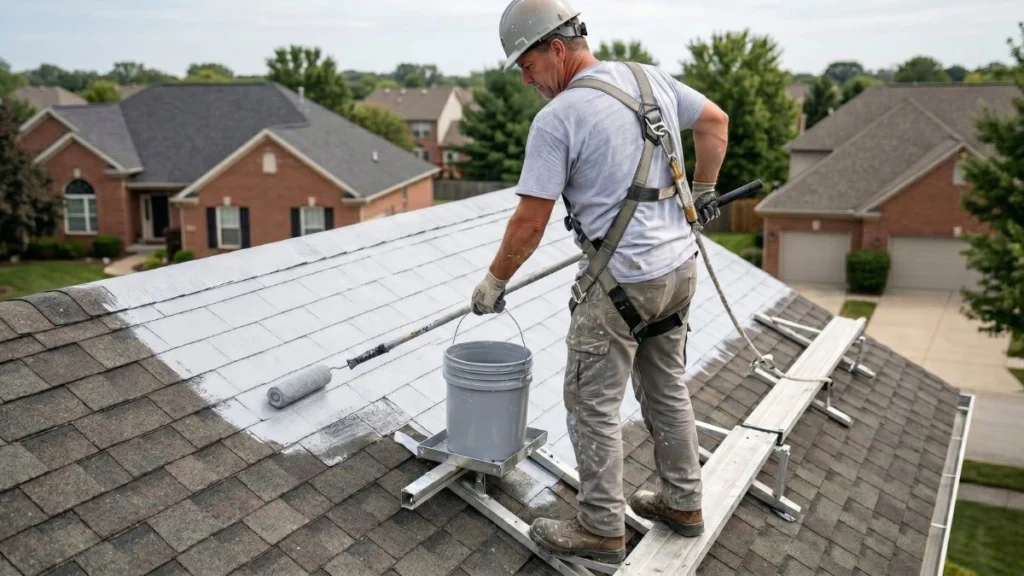
Painting asphalt shingles can be safe only in specific conditions where the roof is structurally sound, properly cleaned, and free from hidden moisture or damage. Safety depends less on paint type and more on the actual condition of the roofing surface.
Let’s break down when it works and when it creates risk.
Roof Condition Before Painting
A safe paint application starts with roof health. Shingles must be stable, dry, and firmly attached before any roof coating is applied.
If the roof already has hidden issues, paint does not solve them. It only covers the surface while underlying problems continue.
Risks of Brittle or Aged Shingles
Older shingles lose flexibility and begin to crack or shed granules. Painting over them does not restore strength.
Common risks include:
- Cracking under coating stress
- Uneven absorption of paint
- Faster surface breakdown after application
These roofs are already near the end of their functional life.
Moisture Retention Issues
Paint creates a sealed surface layer. If moisture is already present, it can become trapped inside the shingle structure.
This leads to:
- Mold formation under layers
- Accelerated material decay
- Reduced ventilation performance
Moisture control is one of the biggest concerns in painted roofs.
Poor Preparation Consequences
Improper cleaning or skipping paint primer often leads to early failure. Roofing surfaces must be properly prepared for adhesion.
Typical issues include:
- Peeling within months
- Patchy or uneven finish
- Weak bonding to granulated surfaces
Preparation determines outcome more than paint type.
Low Risk Scenarios
Painting is only considered relatively safer in limited conditions.
These include:
- Newer asphalt shingles in good condition
- No existing leaks or structural damage
- Proper cleaning and priming completed
- Controlled application with correct roofing products
Even then, results are usually short to medium term.
When Painting Roof Shingles Makes Sense
Painting roof shingles is only practical in specific situations where the roof is still structurally sound but needs a visual improvement or short-term solution. It is usually chosen for appearance or timing rather than long-term roofing performance.
Let’s look at when it actually makes sense.
Structurally Sound Roof Condition
Painting may be considered when the roof is still strong but looks aged or uneven. The structure must be intact with no major defects.
Typical cases include:
- No leaks or soft spots
- Minor fading or discoloration
- Functional shingles with surface wear only
Temporary Pre-Replacement Solution
Some homeowners use painting as a short-term step before full replacement. It is not meant as a permanent fix.
This approach works when:
- Replacement is planned in coming years
- Budget is currently limited
- Roof still performs its basic function
Mild Climate Applications
Weather conditions affect paint performance significantly. Controlled climates improve results but do not eliminate risks.
Better conditions include:
- Low humidity environments
- Stable temperature ranges
- Minimal freeze-thaw cycles
Harsh climates reduce durability sharply.
Aesthetic or Historic Matching
In some cases, painting is used for visual consistency rather than repair or protection.
Common examples:
- Historic homes requiring specific colors
- Additions that need matching roof tones
- Architectural design consistency needs
These are niche but valid use cases.
Professional Roof Coating Systems
In many cases, coatings are preferred over standard paint. They are designed for durability and flexibility.
Benefits include:
- Better weather resistance
- Improved surface elasticity
- Longer lifespan than paint
Reduced cracking under temperature changes
Coatings are generally more reliable than basic paint applications.
When You Should Avoid Painting Roof Shingles
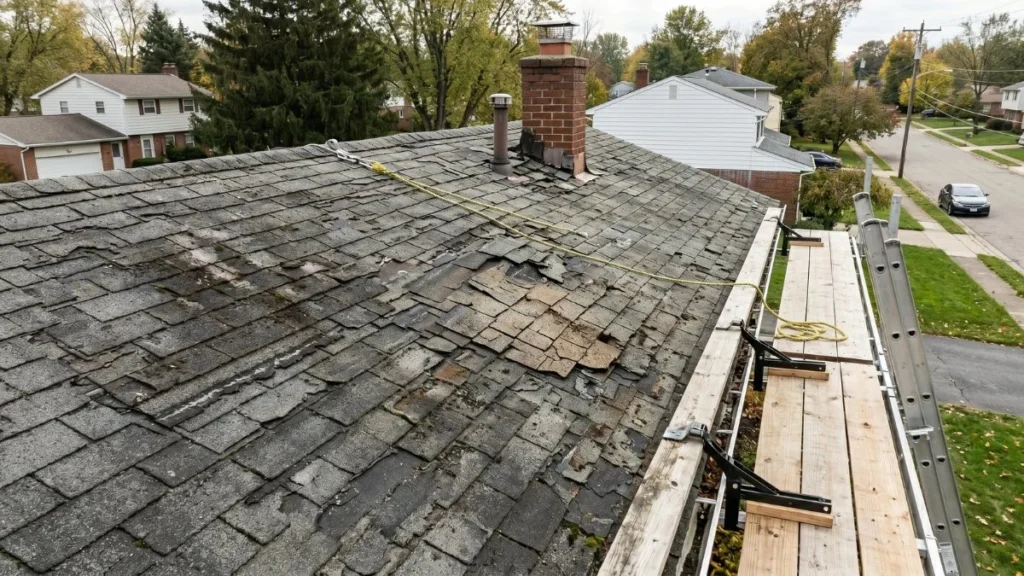
This section explains situations where painting roof shingles is not recommended. These are typically cases where roof condition, age, or environment makes paint a short-term fix that can create long-term problems instead of solving them.
Near End of Roof Lifespan
Roof painting is not suitable when shingles are already nearing their expected lifespan of 15–25 years.
At this stage:
- Material strength is reduced
- Surface degradation accelerates
- Replacement becomes more practical than coating
Visible Roof Damage Present
Existing damage should never be covered with paint. It does not stop deterioration or restore structural strength.
Common issues include:
- Curling or lifting shingles
- Active leaks or water entry points
- Heavy granule loss exposing asphalt layer
Painting over these problems often hides damage temporarily while it continues underneath.
Ventilation Related Problems
Poor roof ventilation creates hidden moisture buildup. Adding a coating or paint can make this worse.
Key risks include:
- Moisture trapped under painted layers
- Increased mold or mildew growth
- Faster internal roof decay
Proper airflow is essential before any surface treatment.
Harsh Weather Exposure
Extreme climates reduce the effectiveness of painted roofing systems significantly.
High-risk conditions include:
- Heavy rainfall or snow load
- Freeze-thaw seasonal cycles
- High humidity or constant sun exposure
These conditions lead to faster cracking, peeling, and surface failure.
Better Value In Replacement
In some cases, painting costs do not justify the results compared to repair or replacement.
Replacement becomes more practical when:
- Roof requires frequent maintenance
- Structural issues are already present
- Long-term durability is the priority
Painting may seem cheaper initially, but replacement often provides better long-term value.
Also Read: How Long Does A Roof Last?
Pros and Cons of Painting Roof Shingles
Painting roof shingles often looks like a simple way to refresh an aging roof, but the results depend heavily on roof condition and product choice. While it can improve appearance in the short term, it does not change the underlying lifespan or health of the roofing system.
That is why understanding both benefits and drawbacks is important before making a decision.
Pros of Painting Roof Shingles
- Instant visual transformation and updated curb appeal
- Temporary protective layer against UV exposure and debris
- Potential short-term extension of roof appearance life
- Light-colored coatings may improve reflectivity in some cases
- Lower upfront cost compared to replacement
Cons of Painting Roof Shingles
- Shorter lifespan compared to natural shingles
- Risk of peeling, cracking, and uneven fading
- Moisture trapping leading to mold or structural issues
- Can void manufacturer warranties
Can You Paint Roof Shingles White?
Painting roof shingles white is mainly chosen for heat reflection and a brighter roof appearance. White coatings reflect sunlight, which can help reduce heat absorption and slightly improve indoor comfort in hotter climates, especially when paired with proper attic ventilation.
Over time, white roofs tend to show dirt, algae, and surface wear more clearly. This means maintenance becomes more noticeable compared to darker tones, even if performance stays stable.
In most cases, white paint or reflective coatings work best on asphalt shingles that are still in good condition, while aging or uneven roofs often show visible imperfections after painting.
Can You Paint Roof Shingles Black?
Painting roof shingles black is mostly an aesthetic choice that creates a uniform, modern roof look. It is often used to match exterior design updates or achieve a bold, consistent finish.
However, black surfaces absorb more heat, which can raise roof and attic temperatures during summer. This may increase cooling needs if ventilation is not strong enough.
Black coatings work best in design-focused projects on structurally sound roofs, but they are less suitable for older or uneven shingles where flaws become more visible.
Best Paint For Roof Shingles
Choosing the right product for roof shingles is more important than the painting process itself. Standard wall or exterior paints are not designed for constant UV exposure, temperature shifts, or granular surfaces.
Roof-specific formulations are created to bond better, flex with movement, and resist weather damage, which is why they are generally recommended over generic paint options.
Acrylic Paint for Asphalt Shingles
Acrylic paint is one of the most widely recommended options for asphalt shingles because it offers strong flexibility and weather resistance. It can expand and contract with temperature changes without breaking its bond, which helps reduce early cracking.
It is also considered the most practical base material for roof applications, especially when paired with proper primers and surface preparation. In many roofing systems, acrylic formulations are used as the foundation for more durable roof coatings.
Latex Paint and Its Flexibility
Latex paint is valued for its breathable structure, which allows some moisture vapor to escape from the roof surface. This reduces the risk of trapped moisture compared to more sealed paint types.
Because of this breathability, latex-based options are often preferred over heavier, less flexible paints in moderate climates. However, performance still depends heavily on roof condition and proper application.
Oil-Based Paint Limitations
Oil-based paint is generally not recommended for roof shingles due to its rigidity after drying. It does not handle expansion and contraction well, which makes it prone to cracking over time.
Another major concern is moisture trapping. Once sealed, oil-based layers can prevent proper drying of the roof surface, increasing the risk of long-term damage underneath the coating.
Frequently Asked Questions (FAQs)
Yes, you can paint roof shingles yourself, but it requires proper safety gear, cleaning, priming, and the right roof-specific paint. Without preparation and experience, DIY attempts often lead to uneven coverage, peeling, and faster surface deterioration.
The best color depends on climate and goals. Light colors like white or beige reflect heat and improve energy efficiency, while darker tones like gray or black offer a uniform, modern appearance but absorb more heat.
No, painting roof shingles is not permanent. It is a temporary surface treatment that improves appearance but does not restore structural strength. Over time, weather exposure leads to fading, peeling, and the need for reapplication or replacement.
Final Thoughts – Painting Roof Shingles
Painting roof shingles can work in limited situations, but roof condition always matters more than appearance. Without a sound surface, paint quickly fails regardless of quality or method.
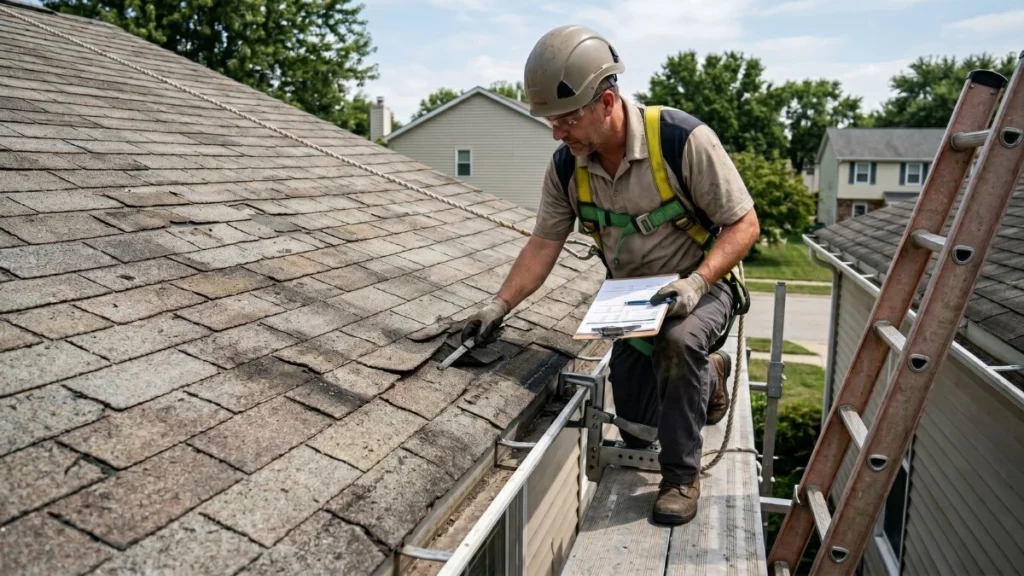
A proper inspection should always come first. It helps identify whether painting, repair, or replacement is the safer and more cost-effective option for your roof.
In most cases, painting is best seen as a cosmetic refresh rather than a true roofing solution. Prioritizing long-term roof health ensures better protection, durability, and value over time.
| Ready To Bring Your Roof Back To Life? Don’t wait for small roofing issues to turn into expensive repairs, get in touch with Roof Roof Renewal now. Whether you’re unsure about painting shingles or looking for a safer long-term solution, our experts are here to help you make the right call for your home. Get honest roof advice, real inspections, and cost-effective solutions tailored to your roof’s condition. |